THE CHALLENGE
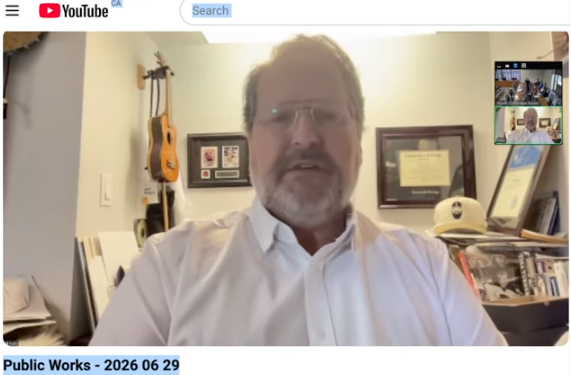
The failure of the new transit routes. The initial spine-feeder route plan was first revealed in the Transit Master Plan in April 2021. Ryback reviewed the plan and then presented to the Public Works committee on April 16, 2021, his first presentation as a delegate. All the issues he identified became a reality when the plan was implemented. He suggested extensive public consultation and trial runs. Public engagement was minimal and the plan was not adequately tested. The public wasn't informed nor heard. Council placed too much faith in Winnipeg Transit.
But in St. James it could have been worse. Fortunately feeder service on six St. James-Assiniboia roads was reinstated and there will be improved service to Grace Hospital in 2027 (subject to budget approval) as a result of Ryback's advocacy. Public consultation and acquisition of experiences is still inadequate. Route scheduling and service delivery is not acceptable.
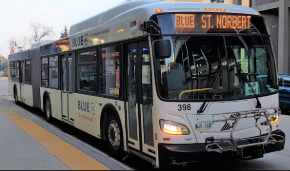
The spine-feeder plan went too far. Planners failed to realize the limitations to running 'the spine' with buses along regular streets, having to encounter multiple traffic light controlled intersections between bus stops. The 'spine' in other jurisdictions are served by LRTs or subways with trains traveling kilometres between stops. Travel distances and commute times by vehicle are also much longer than in Winnipeg.
The spine-feeder plan went too far. Planners failed to realize the limitations to running 'the spine' with buses along regular streets, having to encounter multiple traffic light controlled intersections between bus stops. The 'spine' in other jurisdictions are served by LRTs or subways with trains traveling kilometres between stops. Travel distances and commute times by vehicle are also much longer than in Winnipeg.
Transit issues are included with too many other agenda items too often. Delegates have very little time to express themselves. Public engagement has dropped off as a result.
WHY IT MATTERS
Transit costs are up but revenue is down. Ridership is less because of the poor service and poor rider experience. There is a greater need for transit service but the service is not meeting the needs of many. The status quo is not sustainable. Other traffic demand management initiatives have made vehicle travel undesirable for many.
KELLY'S PLAN
The review structure and methodology to obtain rider feedback must change. The public has lost faith in Winnipeg Transit and council. Council is not providing the attention that the transit network requires. Councillors should be riding the buses on various routes.
Ryback recommends that each councillor should host various public town hall meetings on Transit. Transit planners and drivers should be included. Feedback needs to be acquired on experiences, issues, and to understand why people are not taking transit. Councillors should then be meeting with Transit, either as their community committees or with councillors where routes run through their respective wards. Recommendations could be coming from this process and provided at focused meetings with adequate durations and frequencies.
It's too simple and unrealistic to say to go back to the old network but the city cannot retain the current network.
Ryback recommends that each councillor should host various public town hall meetings on Transit. Transit planners and drivers should be included. Feedback needs to be acquired on experiences, issues, and to understand why people are not taking transit. Councillors should then be meeting with Transit, either as their community committees or with councillors where routes run through their respective wards. Recommendations could be coming from this process and provided at focused meetings with adequate durations and frequencies.
It's too simple and unrealistic to say to go back to the old network but the city cannot retain the current network.
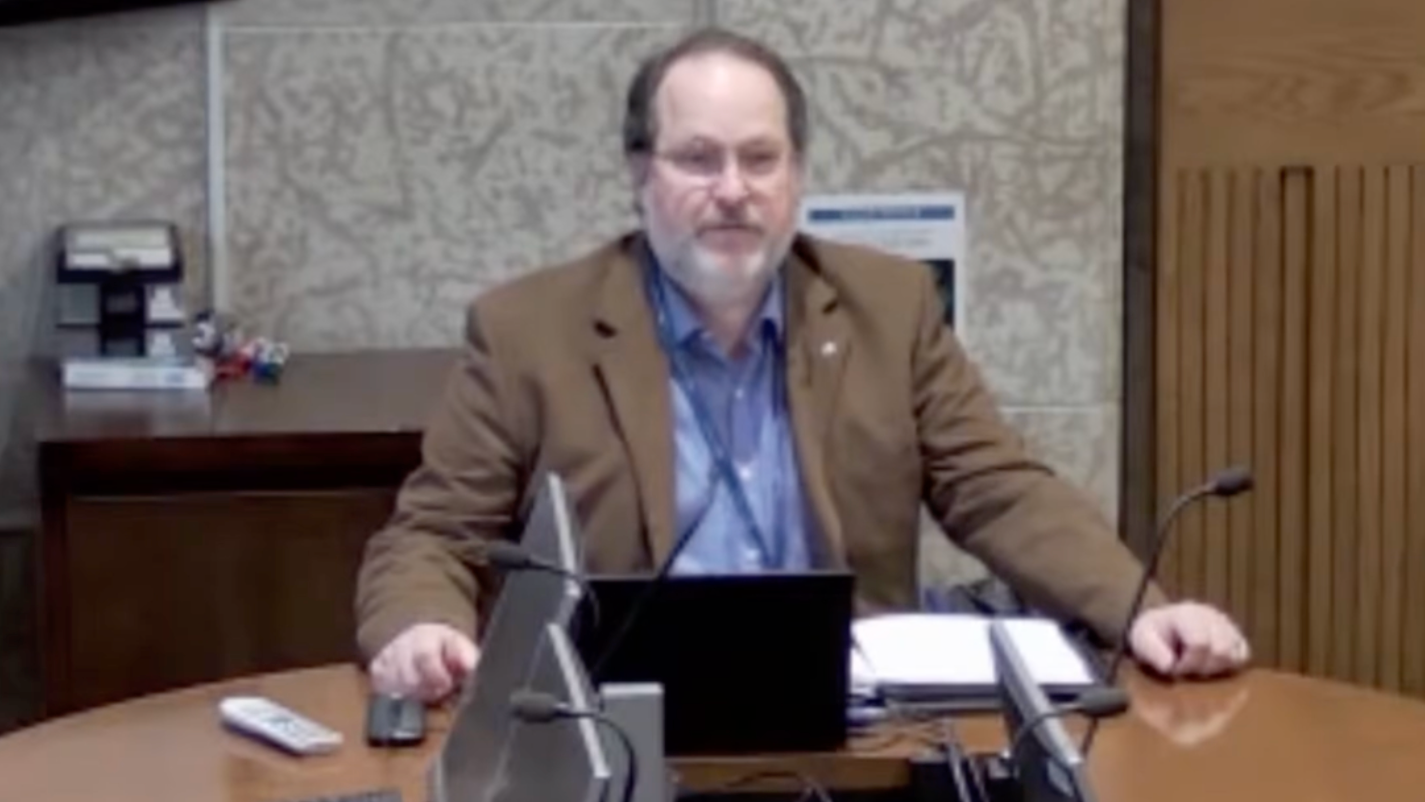
** Click on the pictures below to see a few of Kelly's Transit presentations at city hall **